Is Your Lawn Being Eaten Alive? Why Leatherjackets Are a Serious Problem in South Lincolnshire & Rutland — and What to Do About It
If you have stepped outside at some point to find your lawn looking patchy, yellowed, and lifeless, even after a decent stretch of rain, you are not alone. It is one of the most common complaints we hear from homeowners across South Lincolnshire and Rutland, and more often than not, the weather is not to blame. The culprit is usually leatherjackets, and if you are tired of fighting them year after year, artificial grass could be the answer.
What Are Leatherjackets?
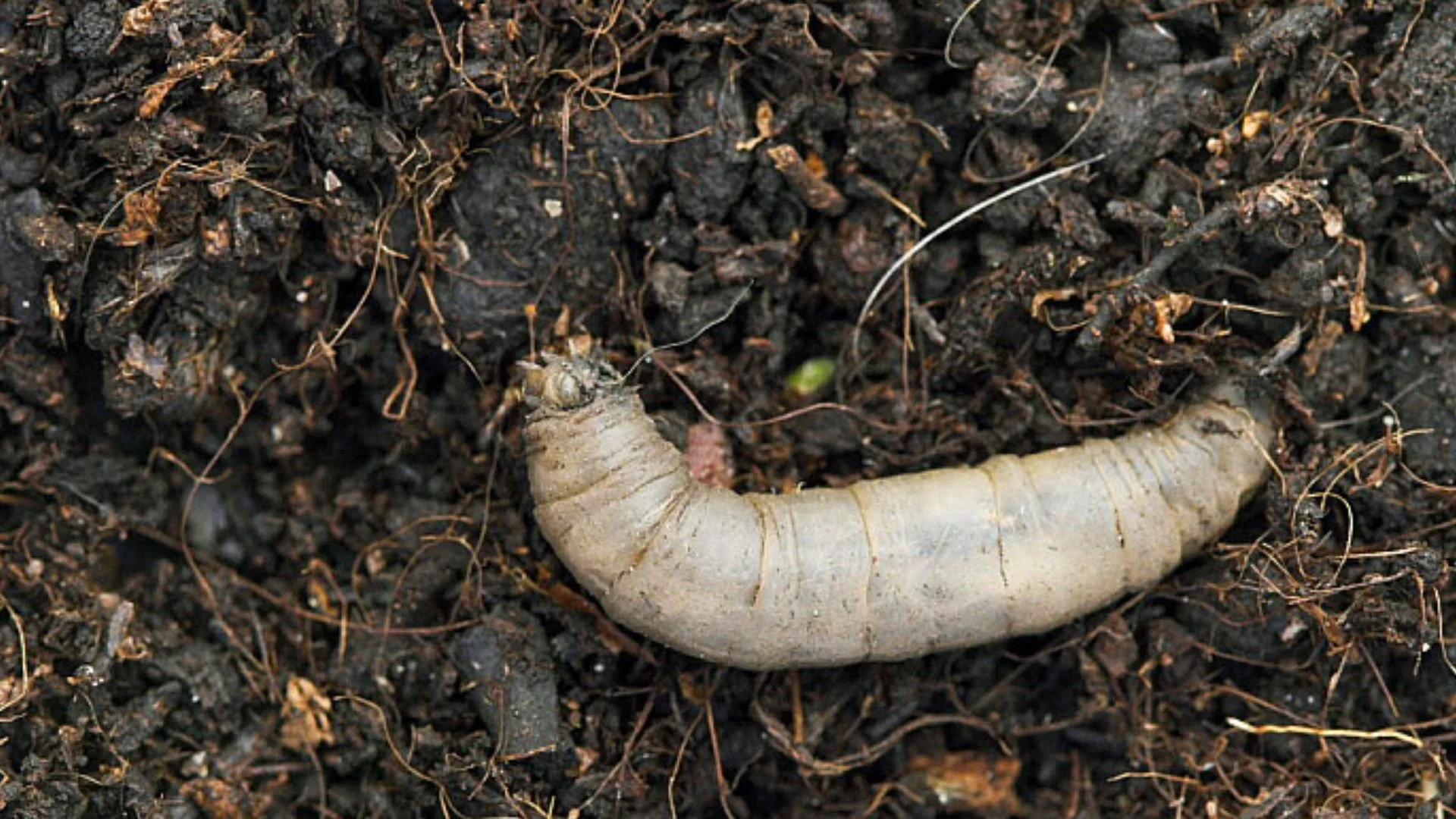
Leatherjackets are the larvae of the crane fly, the daddy long legs you see fluttering around in late summer and autumn. They are grey-brown, legless grubs, typically around 2 to 3 centimetres long, with a tough rubbery skin that gives them their name. You will usually find them just below the soil surface, and if you pull back a damaged section of lawn, it is not uncommon to find several in a very small area.
After mating, crane flies lay their eggs in grass, and when those eggs hatch, the larvae burrow into the soil and spend the winter months feeding on grass roots just below the surface. By the time spring arrives and the damage becomes visible, it is often too late to save large sections of lawn. Birds and foxes can make things worse too, digging up and pecking at your lawn in search of the grubs, adding physical damage on top of the root destruction already happening underground.
Why Is This Area So Badly Affected?
The soil conditions and open green spaces across South Lincolnshire and Rutland make this part of the country particularly attractive to crane flies looking to lay their eggs. The fenland soils around Spalding, Pinchbeck, and Crowland, the heavier clay soils in and around the Deepings, the open village greens and gardens of Rutland, and the well-established residential areas of Bourne, Stamford, and Oakham all provide ideal conditions for leatherjacket populations to thrive.
Areas like Elsea Park in Bourne have become particularly well known locally for the problem, with residents reporting significant lawn damage year after year, but the reality is that leatherjackets are widespread right across the region. If you have a real grass lawn in this part of the world, the chances are you have encountered them at some point, or you will.
With chemical treatments now largely off the market, the options for dealing with leatherjackets are more limited than they used to be. Nematode treatments can help, but they require very specific soil temperatures and moisture levels to be effective and need to be applied at exactly the right time of year. Even then, there are no guarantees, and many homeowners find themselves going through the same frustrating cycle every single spring.
The Honest Truth About Leatherjacket Damage
Once leatherjackets have taken hold, recovery can be a long and disheartening process. You are looking at reseeding, careful watering, keeping off the grass, and hoping the conditions cooperate. Many homeowners go through this cycle year after year, treating, reseeding, and watching the damage return the following autumn. It is time-consuming, expensive, and frankly exhausting.
A Permanent Solution
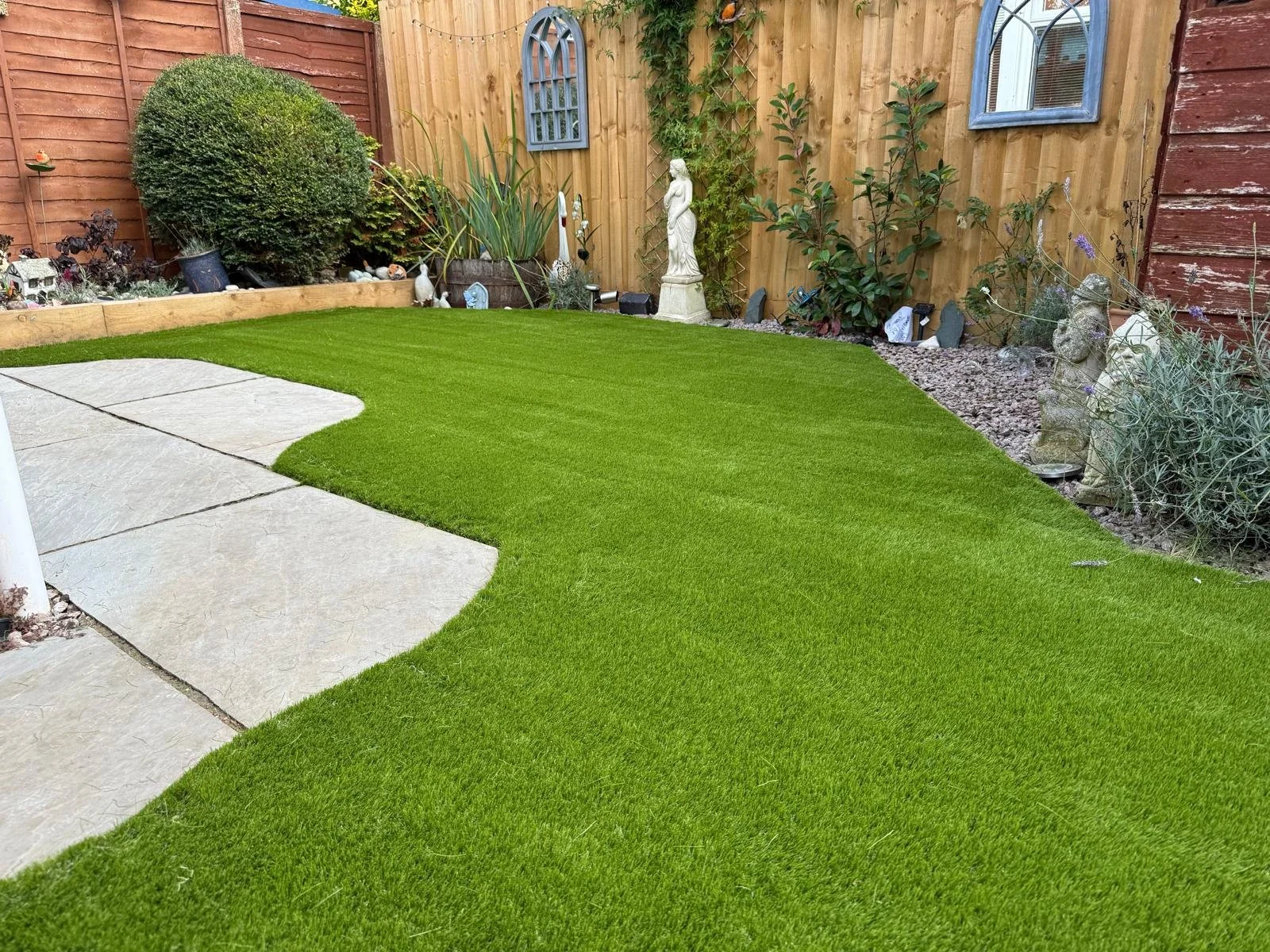
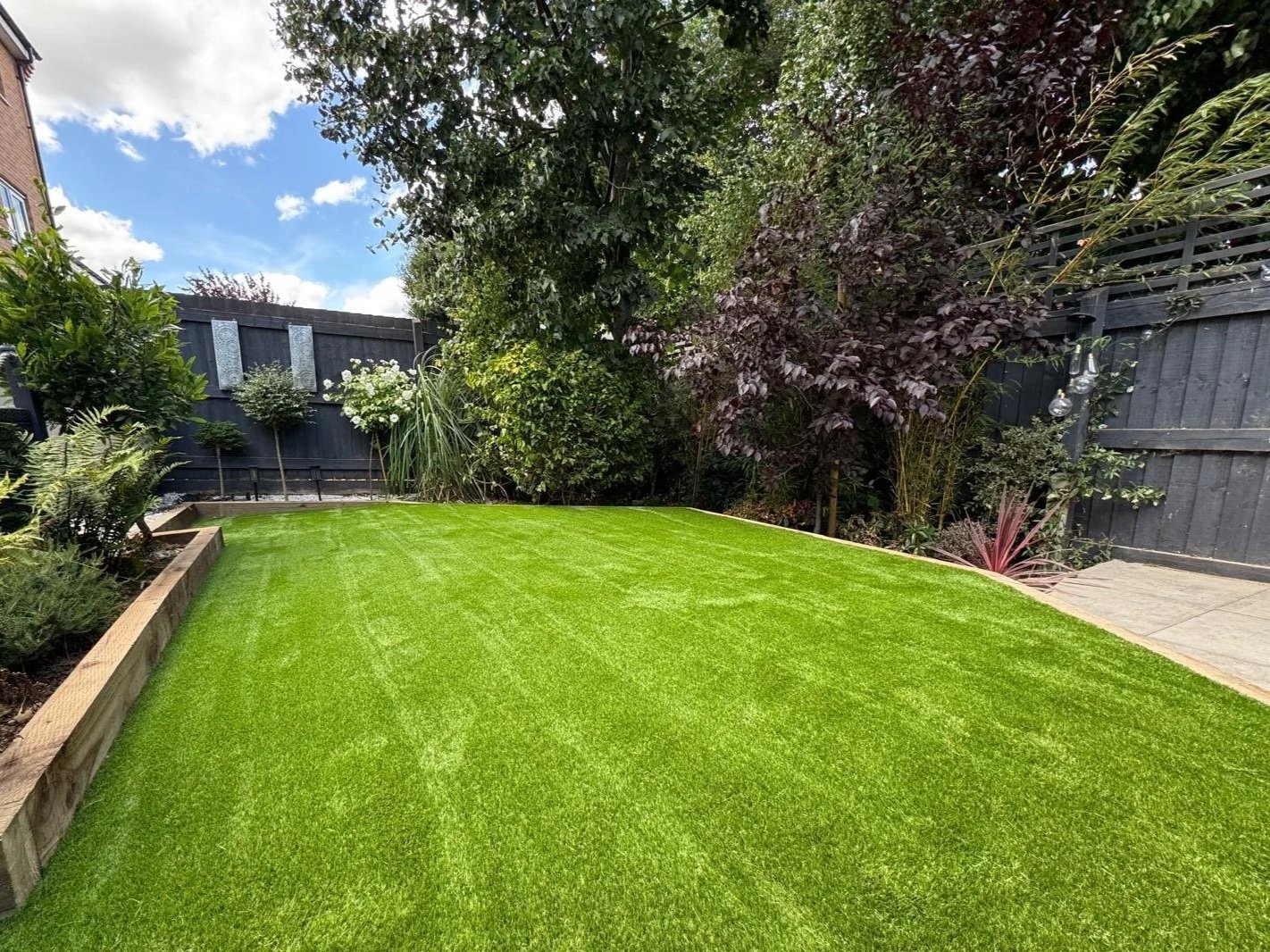
This is where artificial grass comes in. Leatherjackets need soil and grass roots to survive. Lay artificial grass and you remove their food source entirely. No roots, no larvae, no damage. Your lawn stays green, lush, and even all year round, regardless of what is happening beneath the surface or what the Great British weather decides to throw at it. No reseeding, no nematodes, no watching your lawn deteriorate every spring.
At James Cottam Artificial Grass, we have installed artificial lawns for homeowners right across South Lincolnshire and Rutland who have simply had enough of the leatherjacket battle. The results speak for themselves. A lawn that looks great in February just as much as it does in July, with no treatments and no nasty surprises come spring.
If your lawn has been struggling and you suspect leatherjackets might be the reason, we would love to help. James will come out to your property, talk you through your options, and bring samples so you can see the quality for yourself before making any decisions. No showroom, no pressure, just honest advice and a clear quote.
Sometimes the best way to win a battle is to change the playing field entirely.